For over ten years, Ghana has been fighting galamsey with the wrong strategy.
We arrest the pickaxe and leave the paper.
We arrest the boy in the pit with muddy boots earning GH¢150 a day, we parade him on TV, we jail him for two years, and we clap. Meanwhile the man who owns the paper – the concession paper, the company paper, the excavator paper, the bank account that bought the fuel – is sitting in an air-conditioned office in Accra or Kumasi drinking tea.
That pattern is why galamsey has never stopped. You can arrest 10,000 boys with pickaxes, the kingpin will bring 10,000 more tomorrow, because the business is still profitable.
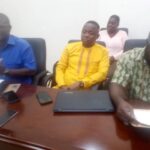
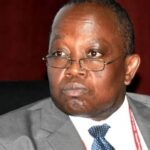
The Wontumi case broke this pattern. And that is why this judgment is more important than the 20 years.
WHAT THE JUDGE DID DIFFERENTLY
In almost all galamsey cases before this, the police go to the site, they see people mining in a forest, they arrest them. In court, those people say, “We were employed by someone. We don’t know the owner of the concession.” The case ends there. The owner is never charged.
In the Akonta Mining case, Justice Audrey Kocuvie-Tay refused to follow the pickaxe. She followed the paper.
Paper One: Who owns Akonta Mining? The Registrar General’s papers show Bernard Antwi Boasiako is the Director and beneficial owner.
Paper Two: Who owns the mining concession at Samreboi? The Minerals Commission papers show the concession is licensed to Akonta Mining.
Paper Three: Did Akonta Mining have a permit to mine in the Tano Nimiri Forest Reserve? Forestry Commission papers show NO. They only had a permit for outside the reserve.
Paper Four: Who gave the land to Henry Okum and others to mine? The witnesses and Henry Okum himself said Akonta Mining’s Director authorized them.
That paper trail is what convicted Wontumi. The judge traced ownership from the concession paper to the director’s chair. She lifted the corporate veil. She said a company does not act on its own. A human being acts for it. And if the company facilitates illegal mining, the director who controls the company is liable under Act 995.
That is revolutionary in Ghana’s galamsey fight.
WHY “FOLLOW THE PICKAXE” HAS FAILED
Follow the pickaxe has failed because:
1. The Pickaxe is Replaceable: In Manso, in Anyinam, in Tarkwa, if you arrest 20 boys today, the financier calls his agent tomorrow and brings 30. The boys are poor, unemployed SHS graduates and farmers who have lost their farms. They are ready to risk.
2. The Pickaxe Cannot Afford the Business: Let us be honest with ourselves. One excavator is GH¢1.2 million. A lowbed to move it is GH¢12,000. Fuel for a week is GH¢30,000. The boy with a pickaxe cannot afford that. So when we jail him, we are jailing the employee, not the employer. The business remains.
3. The Pickaxe Does Not Know the Law: The boy in the pit does not know Section 14 of Act 703 which says you cannot transfer your mining right without ministerial consent. He does not know what a forest reserve boundary is. The man who owns the paper knows. He is the one who applied for the license and was given a map. He is the one who must be held responsible.
WHAT “FOLLOW THE PAPER” MEANS FOR GHANA
If “Follow the paper, not the pickaxe” must become the norm after Wontumi, then every institution must change how it works:
1. Minerals Commission Must Publish All Papers: Every small-scale concession, every large-scale concession, with the name of the company, the directors, and the GPS coordinates must be online for all to see. So that when a chief sees mining in his area, he can check: Is this company allowed here? Currently this information is hidden like a secret cult. It must be public.
2. Police Must Ask for Paper at Barriers: When an excavator is being moved on a lowbed from Kumasi to Samreboi, the police barrier should not just collect GH¢50 and allow it to pass. Ask: Show me your Minerals Commission permit. Show me your EPA permit. Show me your Forestry entry permit. Where is the invoice for this excavator? Who owns it? If you cannot show paper, the machine is impounded. No paper, no movement.
3. EOCO Must Follow the Bank Paper: Who bought the fuel? Who paid for the excavator? Which bank account transferred money to the boys? The bank transaction is a paper. EOCO and FIC must freeze accounts linked to illegal mining. When the money paper is blocked, galamsey stops.
4. Charge Chiefs and Financiers on Paper: If a concession is found to be doing illegal mining, don’t just arrest the labourers on site. Invite the directors on paper. Charge them with abetment and facilitation under Act 995. Just like Wontumi. That will send fear into boardrooms, not just into pits.
5. EPA and Forestry Must Bring Their Papers to Court: In many cases, prosecutors lose because EPA and Forestry fail to bring their assessment papers, their maps, their letters refusing entry. Judges need paper to convict. Institutions must be ready with paper.
THE WONTUMI PRECEDENT
Chairman Wontumi is going to appeal. His lawyers will argue that the paper was not properly linked. That is his right.
But whatever happens at the Court of Appeal, the principle established at the High Court must stand as a new direction.
The principle is simple: In Ghana today, galamsey is no longer a poor man’s crime. It is a rich man’s business using poor man’s hands.
If we want to stop it, we must stop following the muddy boots. We must start following the clean shoes in the office who signed the paper.
We must follow the paper, not the pickaxe.
Because the pickaxe only digs the ground. The paper gives it permission to dig.
Alexander Afriyie, supervising editor, ghanacrimereport.com and ghanatalk.com